



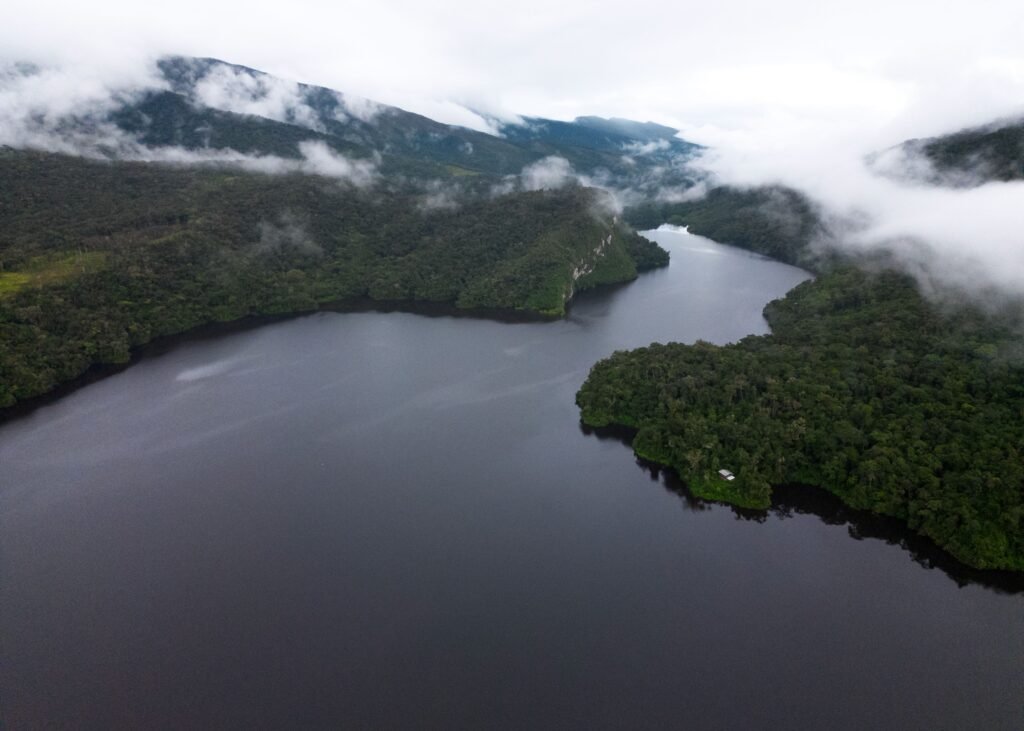
The Lungs of the Planet
The Amazon rainforest, often called; “The Lungs of The Earth” because of its massive size, has historically captured carbon dioxide and released oxygen, helping combat climate change. However, recent studies show it’s now releasing more carbon than it absorbs. This shift is linked to deforestation, where trees are cut down and burned, releasing the carbon they stored.
It’s a worrying trend. A ten-year study found the Amazon absorbed 13.9 billion tons of carbon between 2010 and 2019. Alarmingly, deforestation and fires released 16.6 billion tons during that same period. This means the Amazon is now a net emitter of carbon, releasing 20% more than it absorbs.
Scientists fear this change could become permanent, with disastrous consequences. The situation has worsened under the current Brazilian government, which downplays the Amazon’s problems and prioritizes economic gain over environmental protection. There are even concerns the government is using the COVID-19 pandemic to weaken environmental laws, further accelerating deforestation. While the government denies this, it’s a frightening possibility.
Looking after our lungs
The Amazon rainforest is like the Earth’s lungs, taking in carbon dioxide and releasing oxygen. If we damage the rainforest, it’s like harming our lungs – the Earth will have a hard time breathing. This is why the Amazon needs protection from businesses and politicians who only see short-term gain.
France has been especially critical of Brazil’s policies on protecting the rainforest, and science clearly shows what we need to do to fight climate change. Unfortunately, international pressure hasn’t been enough, and greedy land developers and right-wing politicians continue to harm the Amazon.
The primary reasons for the Amazon Rainforest’s decline include deforestation, climate change, and illegal activities. The implications of the Amazon Rainforest’s decline are dire. For the planet, the loss of the rainforest means a significant reduction in the Earth’s capacity to sequester carbon, which accelerates global warming. The forest’s disappearance also disrupts the water cycle, affecting weather patterns and leading to more extreme weather events globally.
For humanity, the consequences are equally severe. The loss of biodiversity threatens the discovery of new medicines, as many pharmaceutical compounds are derived from rainforest plants. Indigenous communities that rely on the forest for their livelihoods face displacement and loss of cultural heritage.
The clearing of our rainforests is not simply the work of a few bad actors with chainsaws. It is driven by a web of economic forces that reward destruction over preservation. Global demand for beef, soy, timber, palm oil and gold makes cleared land far more profitable in the short term than standing forest, and most of the land cleared in the Amazon ends up as cattle pasture. For many rural families living in poverty, clearing land is one of the few ways to earn a living. Meanwhile, land speculators exploit weak property laws, burning forest to stake illegal claims they can later sell for profit. As long as a living forest is valued at less than the commodities that can be pulled from it, the economic pressure to cut it down will continue.
Politics deepens the problem. Protection of the forest often rises and falls with each new government, as environmental agencies are funded and empowered under one administration, then defunded and silenced under the next. Enforcement in remote regions is thin, corruption is common, and powerful agricultural and mining interests hold real influence over lawmakers. Indigenous peoples, who have proven to be the forest’s most effective guardians, still fight for legal recognition of the lands they have protected for generations. And because the products of deforestation flow into supply chains around the world, responsibility is spread so widely that no single nation, corporation or consumer feels accountable. Breaking this cycle will take more than new laws. It calls for a shift in how we value the planet itself, which is the heart of Sacred Ecology.
In summary, the Amazon Rainforest’s decline is a pressing issue with far-reaching consequences for both the planet and humanity. Addressing this crisis requires concerted global efforts to protect and restore this vital ecosystem.