



The Methane Factor
How Cattle Farming Drives Climate Change
When people think about greenhouse gases, smokestacks and tailpipes usually come to mind first. Yet one of the biggest drivers of global warming is found on pastures and feedlots around the world. Raising cattle for beef and dairy carries a massive environmental price tag—affecting everything from the heat trapped in our atmosphere to the forests and rivers that sustain life on Earth.
The Methane Factor
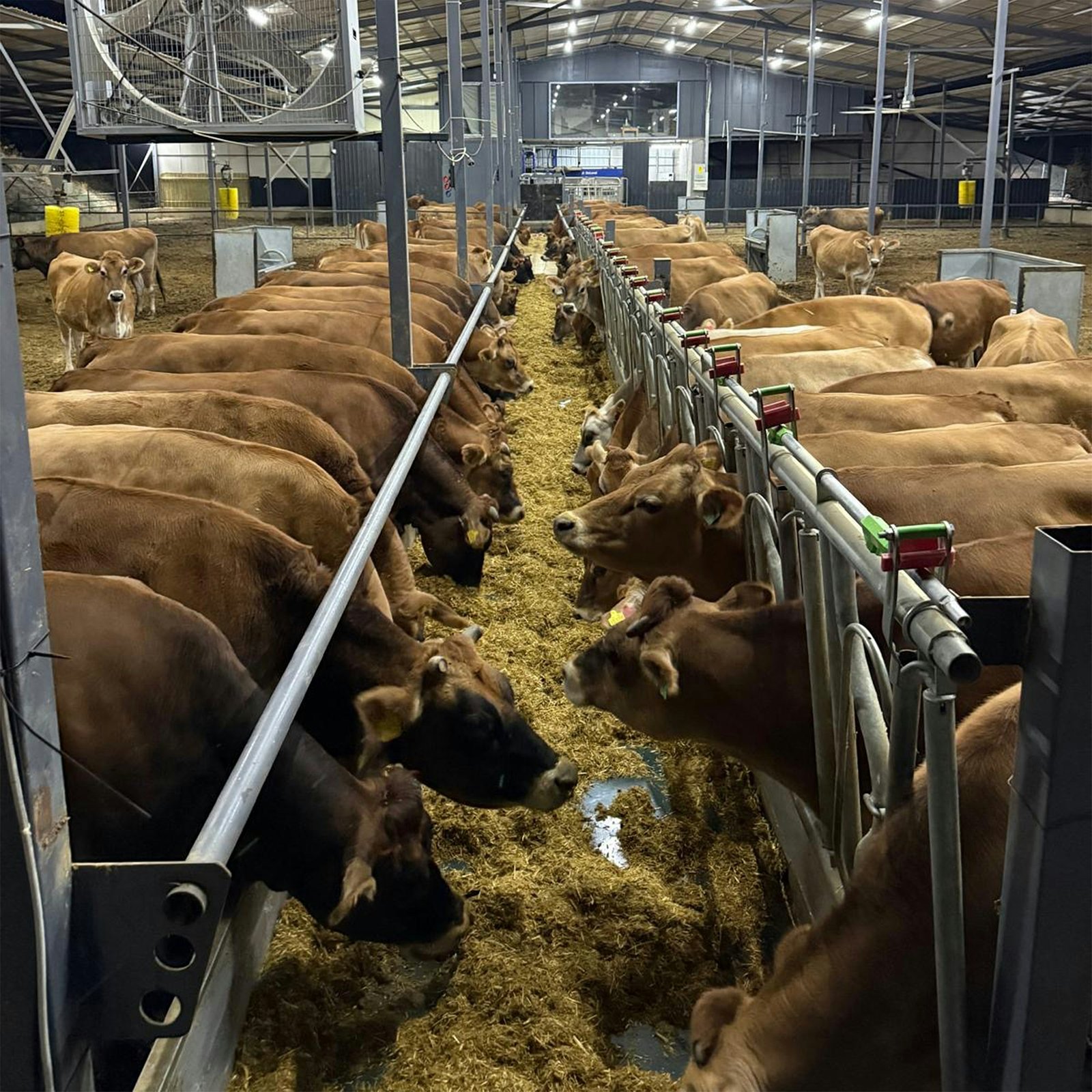
Cattle digest tough grasses and grains through a natural stomach process called enteric fermentation. As microbes break down that food, they produce methane, which cows release primarily when they belch.
- Potent heat trapping: Over a 100-year span, methane traps roughly 28 times more heat in the atmosphere than carbon dioxide.
- The livestock leader: Worldwide, livestock systems generate about 14.5% of all human-caused greenhouse gas emissions, and cattle alone account for roughly two-thirds of that livestock total.
- Short-lived, high impact: Unlike carbon dioxide, which lingers for centuries, methane breaks down in the atmosphere after about 10 to 12 years. That makes cutting cattle methane one of the fastest ways to slow near-term global warming.
A Steep Cost for Forests and Land
Beef production doesn’t just warm the air; it reshapes the planet’s surface. Clearing land for grazing pastures is the single largest driver of global deforestation—responsible for roughly five times more forest loss than any other agricultural product. In tropical regions like the Amazon, vast stretches of carbon-storing rainforest have been cleared to make room for cattle ranches.
Globally, around 80% of all agricultural land is dedicated to grazing livestock and growing their feed crops, yet meat and dairy supply less than a fifth of the world’s calories.
Water Use and Runoff Pollution
Raising cattle also places heavy demands on freshwater systems. Growing feed crops like corn and alfalfa, watering herds, and processing meat require thousands of liters of water for every kilogram of beef produced. At the same time, manure and synthetic fertilizers from feed farms wash into nearby streams and rivers. This nitrogen and phosphorus runoff fuels toxic algal blooms and creates oxygen-starved “dead zones” in coastal waters, harming fish and local ecosystems.
Why These Numbers Matter
Understanding the footprint of cattle farming isn’t about ignoring the role agriculture plays in feeding communities—it’s about recognizing where the biggest environmental trade-offs happen. Because cattle require far more land, water, and energy per gram of protein than poultry, pork, or plant-based foods, even modest shifts in farming practices, feed additives, and food choices can make a measurable difference for the climate.
Sacred Ecology and Good Stewardship
At Evolve the Planet, Sacred Ecology connects care for our inner lives with care for our shared home. Building more sustainable food systems is one way to practice good stewardship of land, water, forests, animals, and the communities who depend on them.