



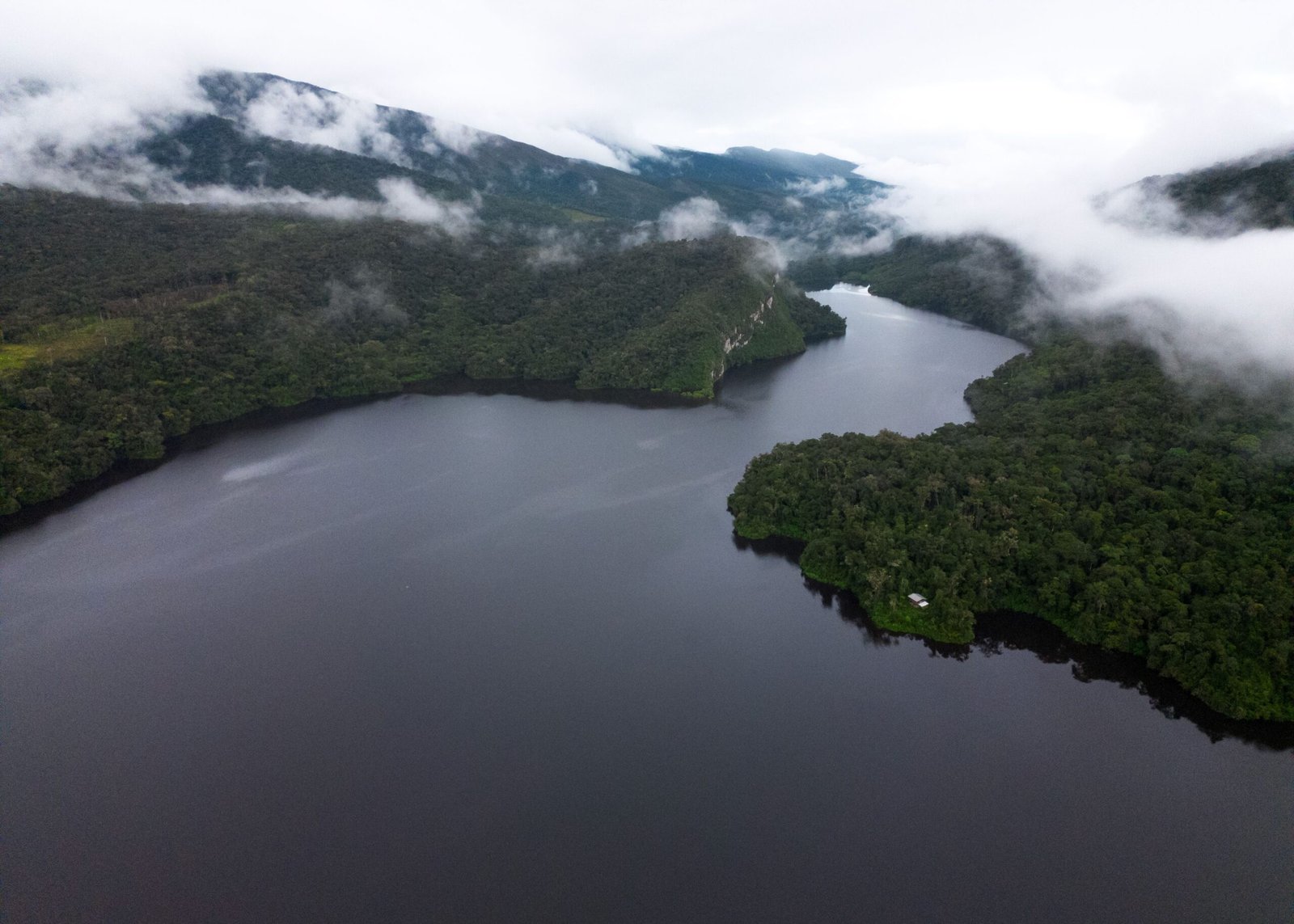
Putting a Real Value on the Amazon
The idea is simple. Form a company with investors that puts a value on the rainforest’s resources, per acre or per hectare, and trade it on the open market as stock. The stock grows as the land’s sustainability and stewardship grow, and the locals earn an income from protecting it, without having to resort to cattle or agriculture.
In 2021, the New York Stock Exchange announced plans to list “Natural Asset Companies” built on this very idea, and Costa Rica began developing the first one. The NYSE withdrew the plan in January 2024 after pushback over land rights.
Source: Reuters, January 17, 2024
A Resource Basic Income for the Amazon
Most of the people clearing the Amazon aren’t villains. They’re families trying to eat. When cattle, soy or gold are the only way to earn a living, the forest pays the price.
So what if we paid the people who live there to protect it instead?
A Resource Basic Income means governments and those in power guarantee local and indigenous families a steady income for keeping the forest standing. No one would have to burn land for cattle or crops just to survive. Each family becomes a paid steward of the land they already know better than anyone. It’s like a resource-based economy, built around the people who are closest to the land.
This isn’t just a dream. It’s already working:
- Brazil’s Bolsa Verde pays families living in forest reserves R$600 every three months to protect the land. Researchers found the program helped cut forest clearing by 30% in the areas it covered.
- Ecuador’s Socio Bosque has paid indigenous and farming communities to protect their native forests since 2008.
- The state of Amazonas runs Guardiões da Floresta (formerly Bolsa Floresta), which rewards river communities that commit to zero illegal deforestation.
Imagine these programs scaled up across the whole Amazon. A living forest would be worth more than a dead one, both to the people who live there and to the rest of the planet.
Geopolitical Issues
National Priorities vs. Environmental Protection: Countries like Brazil, where the Amazon’s heart beats strongest, often prioritize economic growth over environmental stewardship. Policies that promote deforestation and resource extraction reflect a short-sighted view that neglects the forest’s irreplaceable value.
International Influence: Foreign powers, notably China, exert significant pressure on Amazon countries. China’s insatiable demand for soybeans and beef fuels agricultural expansion, leading to further deforestation. This geopolitical dynamic pits economic interests against the sacred duty to protect the forest.
Indigenous Rights: The rights of Indigenous communities, who have lived in harmony with the Amazon for generations, are routinely trampled by illegal activities and government policies favoring development. These communities, the forest’s spiritual and physical custodians, are essential to its preservation.
Climate Change: The Amazon’s destruction has dire consequences for global climate stability. As a major carbon sink, the forest plays a crucial role in regulating Earth’s climate. Deforestation and fires release stored carbon, accelerating the perilous march of climate change.