



Adding to the Stream of Life
If you’re here, you’re already awake.
It’s easy to see how big the problems are: climate change, deforestation, plastic pollution and more. But ALL change starts on an individual level. Every one of us can be a change-maker in this life.
So here’s your opportunity.
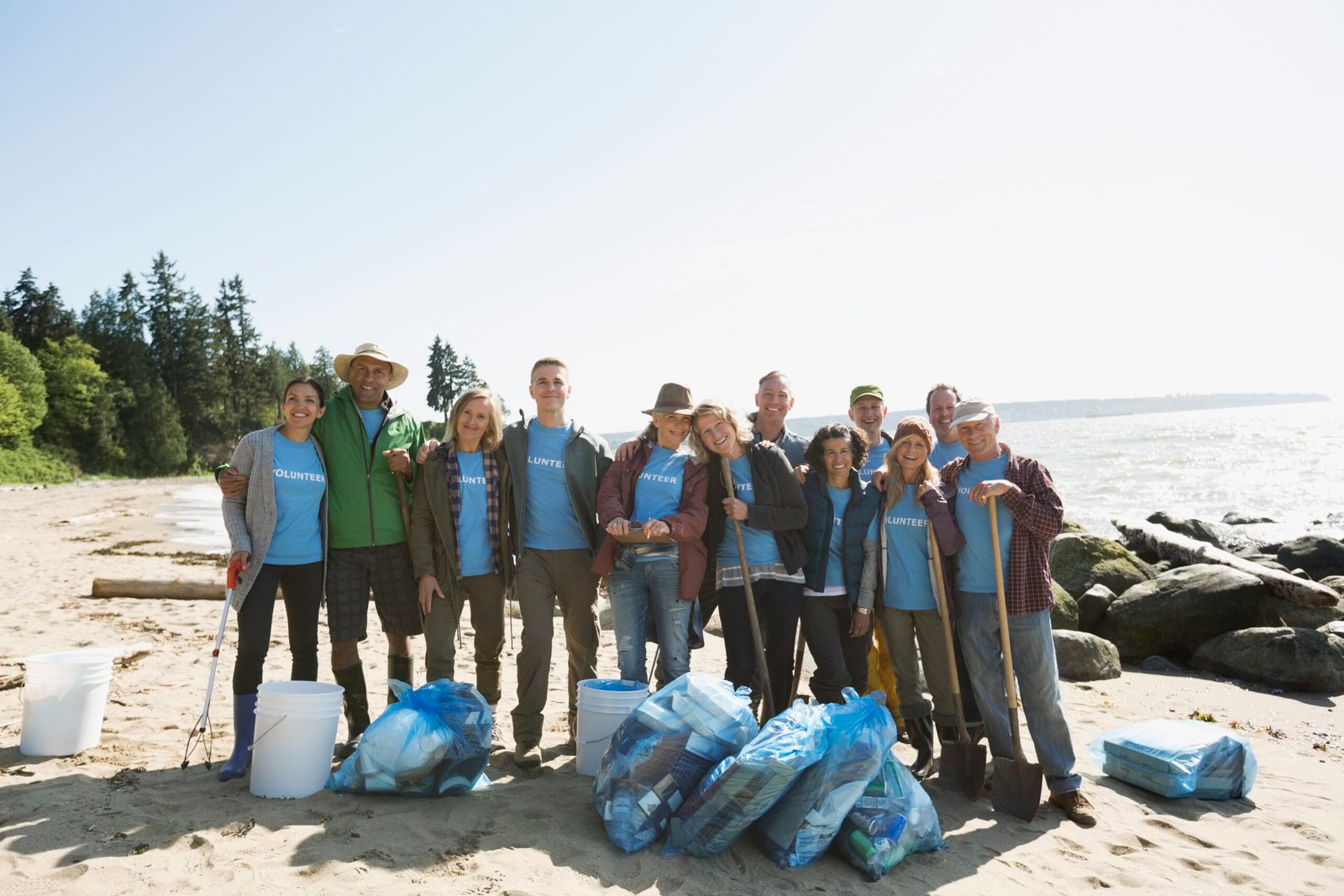
We here at Evolve The Planet are seeking people from all walks of life, no matter what your skill set may be. We need volunteers to help grow our platforms, coordinate in your local area and lots more. If you have a little extra time you can devote to helping us make a bigger impact, we want to hear from you.
Where We Need Help Right Now
- Social Media
- YouTube and Video Creation
- Content Creation of All Kinds
- Editing, Writing and Organizing
- Anyone who wants to help our platforms grow and “evolve”
Growing Together
Eventually, we want to become a 501(c)(3) nonprofit, and those of you who want to could become permanent staff here at ETP.
Volunteer Roles, Local Chapter Starter Guide & Action Steps for a Changing Climate
Education, Inspiration, Advocacy and Volunteerism, guided by the practice of Sacred Ecology.
Part 1. Volunteer Roles
We only have one home. Every person who gives time, skill or care helps restore the planet, its people and its ecosystems. Choose the role that fits your skills and schedule. No experience is needed for most roles, and you can start small and grow into more.
| Role | What you will do | Typical time |
|---|---|---|
| Community Educator | Lead short talks, workshops or classroom visits on climate change and Sacred Ecology, using Foundation materials | 2 to 4 hours a month |
| Field Volunteer | Join cleanups, tree plantings, habitat restoration and monitoring days | One event a month |
| Chapter Organizer | Start and guide a local circle, schedule meetings and keep members connected | 4 to 6 hours a month |
| Advocacy Ambassador | Write to representatives, speak at local meetings and share campaign actions | 2 hours a month |
| Writer and Storyteller | Write blog posts, newsletters and stories from communities around the world | Flexible |
| Designer and Media Creator | Create graphics, photos, video and social media content | Flexible |
| Web and Technology Helper | Keep the website current and help with forms, events and the file share | Flexible |
| Partnership Builder | Reach out to schools, faith groups, businesses and local governments to form partnerships | 2 to 4 hours a month |
| Business Outreach Guide | Help local businesses measure and lower their carbon footprint and find ways to add to the community | 2 to 4 hours a month |
| Researcher | Gather the latest science and green-technology solutions in energy, agriculture, water and materials | Flexible |
| Sacred Ecology Guide | Host reflection, meditation or nature-immersion sessions that connect inner balance with outer action | 2 hours a month |
| Welcome Team Member | Greet new volunteers, answer questions and match people to roles | 1 to 2 hours a month |
Time estimates are suggestions and can be adjusted to fit how the Foundation works.
How to get started
- Pick the role that fits you best. You can also suggest a role of your own.
- Contact the Foundation using the form below to say you want to volunteer.
- Join an orientation, where you will learn the mission and meet other volunteers.
- Take on your first small project, then grow from there.
Part 2. Local Chapter Starter Guide
A chapter, or circle, is a small local group of people who learn, act and support one another. Many circles in many places add up to a global movement.
Step 1. Gather your first circle
- Start with three to five people: friends, neighbors, coworkers or members of a school, faith or community group.
- Share why you care. Agree on a simple purpose that includes learning, doing and reflecting together.
- Choose a name for your circle that includes your town or area.
Step 2. Set a simple rhythm
- Meet once a month in a park, library, community room or online.
- Use the same three-part format each time: a short reflection or moment of quiet, a learning topic or news item, and a clear action step for the month.
- Rotate who leads so no one person carries the load.
Step 3. Choose your first project
Pick something small, visible and finishable within a month or two:
- A neighborhood or shoreline cleanup.
- A native tree or pollinator planting.
- A community garden, compost or repair-and-swap event.
- A talk at a school, library or faith community.
- A footprint workshop for a local business.
Step 4. Learn your community
- Find out which local environmental groups, parks departments and agencies already exist.
- Learn what your city or town is doing about energy, waste, water and green space.
- Note the greatest local needs, such as a polluted waterway, a lack of trees or heavy plastic use, and let these shape your projects.
Step 5. Build partnerships
- Introduce your circle to schools, libraries, faith groups, businesses and local officials.
- Offer to help with existing efforts before starting new ones.
- Always ask permission before working on public or private land.
Step 6. Keep everyone safe and welcome
- Plan for safety at every event: gloves, water, first aid, a sign-in sheet and a clear leader.
- Welcome everyone, whatever their age, background or belief. Make events accessible.
- Respect local cultures and Indigenous knowledge, and credit the people whose ideas you share.
Step 7. Measure, share and celebrate
- Record the results of each event, such as bags of litter, trees planted, hours given and people reached.
- Share photos and stories with the Foundation and on social media.
- Celebrate wins together. Gratitude keeps volunteers coming back.
Step 8. Grow carefully
- Invite new members at every event and give each a small role.
- Train a new organizer so the circle can last.
- Connect with other chapters to share ideas and plan joint projects.
Part 3. Action Steps for a Changing Climate
Climate change calls for action at every level. Here are steps each level can begin now.
Local communities and households
- Cut energy and water use, insulate homes and switch to efficient lighting and appliances.
- Start community solar or bulk-buy programs for rooftop panels and heat pumps.
- Plant native trees, restore wetlands and streams, and create pollinator habitat.
- Compost, repair, reuse and swap, and keep food waste out of landfill.
- Walk, cycle, carpool and use public transit.
- Support community gardens, farmers’ markets and regenerative farms.
- Map local risks such as flood, heat and fire, and set up neighbor check-in networks.
- Attend council meetings and join local stewardship groups.
Cities and local governments
- Adopt a climate action plan with measurable, dated goals and publish progress each year.
- Set high efficiency standards for new buildings and fund retrofits of existing ones.
- Expand public transit, protected bike lanes and walkable neighborhoods, and electrify fleets.
- Grow tree canopy, parks and green roofs to cut heat and flooding.
- Introduce organics collection, cut single-use plastics and fix water leaks.
- Plan for extreme weather with cooling centers and better drainage, and keep new development out of high-risk areas.
- Use public purchasing power for clean energy and low-carbon materials.
- Direct funding to the most vulnerable neighborhoods first and give residents a voice in decisions.
Businesses and corporations
- Measure emissions across operations and supply chains.
- Set science-based targets in line with a 1.5 degree pathway and report progress publicly.
- Buy or generate renewable energy and electrify operations.
- Design out waste with durable, repairable and recyclable products and less packaging.
- Require suppliers to cut emissions and end deforestation.
- Avoid greenwashing and make only verified claims.
- Tie executive pay to climate goals and move investment away from fossil fuels.
- Train and support workers affected by the shift to clean energy.
Regional and national governments
- Pass binding net-zero targets with interim milestones and independent oversight.
- End fossil fuel subsidies and expand renewables, storage, grids and efficiency standards.
- Price carbon fairly and return the revenue to households or clean investment.
- Protect forests, wetlands, oceans and soils, working toward protecting 30 percent of land and sea by 2030.
- Support clean transport and sustainable farming.
- Fund adaptation, including flood defenses, drought planning and early warning systems.
- Ensure a just transition that protects Indigenous rights, frontline communities and workers.
- Publish emissions and environmental data openly.
Global cooperation
- Honor and strengthen the commitments of the Paris Agreement every cycle.
- Deliver climate finance so developing countries can adapt and cut emissions.
- Share clean energy, cooling and early warning technology widely.
- Strengthen agreements that protect oceans, forests, biodiversity and the fight against plastics.
- Fund recovery for countries hit hardest by climate impacts.
- Share science, monitoring and best practices across borders.
Part 4. What Individuals Can Do in Their Own Communities
Local: home and neighborhood
- Use less energy and water, compost and reduce waste.
- Eat more plant-rich meals and buy local food.
- Plant natives and join or start a community garden.
- Walk, cycle, carpool or use transit.
- Organize a neighborhood cleanup or a swap and repair day.
- Practice a daily Sacred Ecology habit, such as reflection, gratitude or time in nature.
Civic: town or city
- Attend council and planning meetings and speak up for green space, transit and clean energy.
- Join or start a local environmental board, green team or stewardship group.
- Ask your school, workplace and faith community to adopt sustainability plans.
- Support local businesses that cut their footprint.
- Volunteer with local conservation, water and park programs.
State or provincial
- Learn your representatives’ environmental voting records and contact them about bills.
- Support clean energy standards, land and water protection and recycling laws.
- Submit written comments or testify at public hearings.
- Vote in every election, including local and primary elections.
- Join statewide advocacy coalitions.
Country and world
- Back national climate policy that expands clean energy, ends fossil fuel subsidies and protects forests.
- Support international conservation efforts such as protecting the Amazon rain forest.
- Choose banks, pensions and investments that avoid fossil fuels, and buy from responsible companies.
- Share verified information and invite others to take part.
Join the Movement
Working together is key. Choose one step from this guide, start this week and invite someone to join you. To volunteer, start a chapter or share a story, use the form below.
Wishing you health, happiness and abundance. Namaste.
Join Us
If you’d like to contribute to a growing community of like-minded individuals, please reach out by filling out the form below.
We NEVER share your information, and we will only use it to contact you about volunteering or joining the staff here at ETP.